During extreme winter conditions, wild birds face serious challenges in finding food, water, and shelter. Prolonged freezing temperatures and heavy snowfall can quickly drain their energy reserves and put their survival at risk.
With a few simple actions, you can make a real difference. This guide explains how to support backyard birds before, during, and after severe winter weather—without disturbing their natural behavior.
.png)
Why severe cold is dangerous for birds
Winter storms create a perfect storm of challenges for birds. Staying warm requires significantly more energy, while access to natural food and unfrozen water becomes limited.
- Higher energy needs: Birds burn fat reserves faster just to maintain body heat.
- Limited food sources: Insects disappear, berries freeze, and seeds are buried under snow.
- Frozen water: Ice-covered ponds and puddles prevent proper hydration.
What to do before the storm hits
Birds often sense incoming storms hours in advance and actively search for food. Preparing your garden early helps them store enough energy to survive harsh conditions.
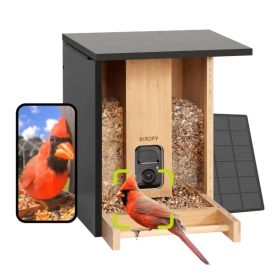
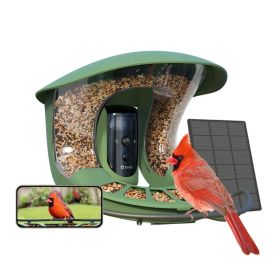
- Fill feeders with high-fat food: Use sunflower seeds, peanuts, and suet for maximum energy.
- Avoid human food: Bread and processed foods provide little nutrition and can be harmful.
- Create snow-free feeding areas: Clear a small ground area or use a low feeding tray.
- Place feeders out of the wind: Sheltered locations keep food dry and accessible.
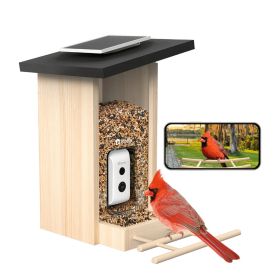
- Provide unfrozen water: A heated birdbath or floating object helps prevent ice formation.
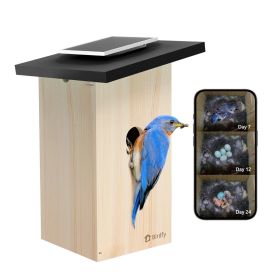
- Set up nest boxes: Nest boxes offer protection from wind and cold. Birds may gather inside to share body heat. Adding dry grass or wood shavings improves comfort.
What to do during the storm
Once the storm starts, birds seek dense vegetation or enclosed spaces for shelter. Minimizing stress and hazards during this period is essential.
- Secure feeders and accessories: Prevent damage from strong winds.
- Reduce window reflections: Close curtains or dim indoor lights.
- Keep pets indoors: Stress increases energy loss for birds.
- Avoid handling wildlife: Only intervene if a bird is clearly injured.
What to do after the storm
The cold often intensifies after snowfall ends. Continued support helps birds recover and regain strength.
- Remove ice and snow from feeders and birdbaths.
- Refill water with fresh, unfrozen supplies.
- Discard wet or moldy food and clean feeders.
- Contact a licensed wildlife rehabilitator if you find an injured bird.
A final note on safety
Helping birds should never put your own safety at risk. Dress warmly, watch for slippery surfaces, and avoid going outside during dangerous weather conditions. Supporting wildlife is important—but staying safe always comes first.